
Strategies Needed to Maintain Compliance in Clinical Research

We are constantly working towards the highest level of compliance possible.” - Mike Davidson

In clinical research, compliance is essential to ensuring that the research trial is conducted safely and accurately. The ability to maintain the highest level of compliance requires an organized and streamlined process throughout the trial.  If a clinical site or sponsor company is unable to maintain compliance, the site staff and trial team will continuously struggle to be inspection-ready throughout every phase of the trial from start-up to closeout.

This article will define compliance and discuss what three (3) strategies can be utilized to maintain compliance when conducting a clinical trial.

Compliance Defined

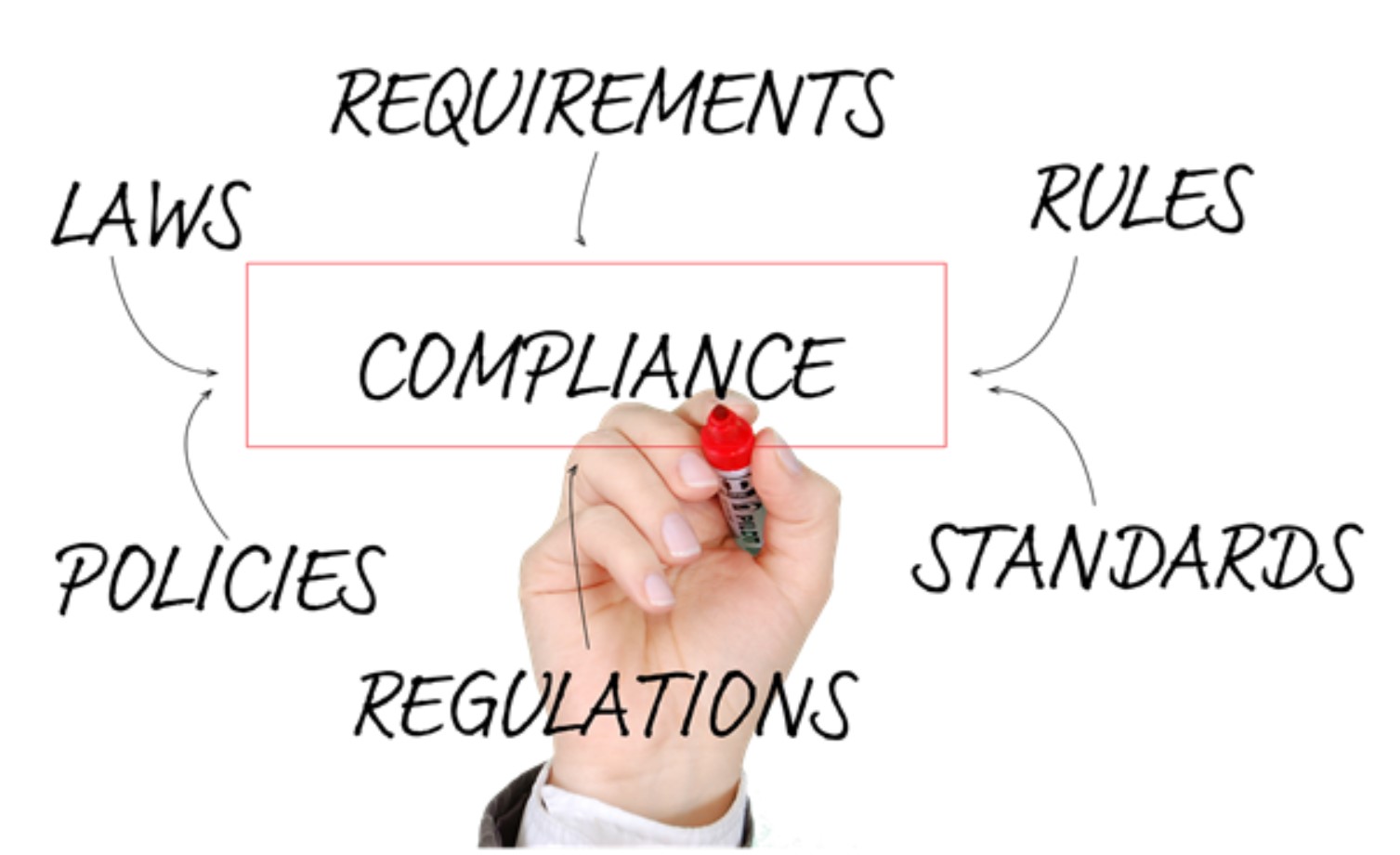
Compliance refers to the act of adhering to a set of regulations, processes, or rules without raising any objections or raising concerns. This process takes place during all stages of clinical research. Regulatory compliance is critical in clinical research since it helps to ensure that all research is done safely and appropriately.  Deviations from compliance and quality standards can quickly affect clinical sites and sponsor companies and ultimately, the integrity of the product and clinical data.

How to Maintain Compliance

Three strategies that can be utilized in maintaining compliance are:

  1. Internal audits – conducting regular internal audits and document reviews ensures adherence to the protocol requirements and study procedures such as the consenting process, visit schedules and source documentation. In addition, internal audits and document reviews address prompt reporting and resolution of issues such as protocol deviations, temperature excursions and safety-related issues. 
  2. Ongoing staff training- clinical staff and trial team members should receive continuous training throughout every phase of the trial(s) on how to maintain compliance with the protocol, trial procedures and applicable requirements from regulatory authorities.
  3. Automated processes – automating processes of creating, reviewing and approving quality and clinical trial documents such as Standard Operating Procedures (SOPs), protocol deviations, Case Report Forms (CRFs) and training records, reduces error and increases compliance amongst clinical staff and trial teams.

Conclusion

Maintaining compliance in clinical research is essential to ensuring that the trial is conducted safely and accurately. Maintaining compliance in clinical research may be achieved by conducting internal audits and document reviews, continually training staff and automating clinical trial process. Implementing these strategies are essential to achieving inspection readiness and being successful in the conduct of clinical trials overall.

Struggling to maintain compliance at your clinical staff or clinical department?  Contact us! We’d love to hear from you to discuss strategies!

Related Posts

3 Surefire Ways your TMF can extend your Inspection

The Trial Master File (TMF) is the backbone of the clinical trial. It consists of essential documents which not only enable the conduct of a clinical trial, but also enable the evaluation of the quality of data produced. One of the questions asked at the beginning of...

read more...

Key Aspects of an Inspection Ready TMF

Having a complete Trial Master File (TMF) is the highest priority for sponsors in terms of providing an accurate picture of the affiliated clinical trial.   This article speaks about key aspects and techniques to implement in order to have an inspection-ready TMF. Key...

read more...

Steps on Implementing a Clinical QMS

By Afifa F. - 2K Clinical Consulting, Inc.     There is a popular saying in quality management that if you do not have the process written down, then it probably didn't happen. Just like any other business, Clinical trials must have a management system as well. This...

read more...

All About Protocol Deviations

The protocol for a clinical trial describes the entire study in detail, including the operational details of how it should be carried out. The purpose of the study protocol is to protect the health and safety of study participants while also proving efficacy of the...

read more...

FDA vs EMA in Terms of GCP Inspections

The national and global regulations for conducting clinical trials involving human participants are known as Good Clinical Practice (ICH-GCP). They include not only quality criteria, but also regulatory guidelines to ensure that all newly created pharmaceuticals and...

read more...

3 Ways to Close the Diversity Gap in Clinical Trials

The selection of the appropriate research participants is critical to the success of any clinical trial. Regrettably, the majority of clinical trials done are severely lacking in diversity. All too frequently, cultural and genetic factors unique to Asians,...

read more...

Pharmacovigilance and Drug Safety

Recently approved medications and those already on the market can benefit from pharmacovigilance to help ensure patient safety. While pharmacovigilance practices are highly regulated in the context of clinical trials, post-marketing incidence reporting is not properly...

read more...

Inspection Readiness Checklists: 

The Benefits & How to Utilize Them Checklists are invaluable tools in Inspection Readiness programs within regulated industry of pharmaceutical, medical device and biotech companies. They provide a structured approach to ensure that all necessary preparations are...

read more...

Why Quality is Everyone’s Business

World Quality Day, celebrated on a global scale every year on the second Thursday in November, serves as a reminder that quality is not just a buzzword or a department in your organization—it's everyone's business. Whether you work in clinical operations, healthcare,...

read more...

The Iceberg Illusion of Inspection Readiness

Inspection readiness often looks effortless from the outside. A clean TMF.Confident site staff.Minimal findings.A smooth inspection close-out. When an FDA or regulatory inspection goes well, it’s easy to assume the organization was simply “always inspection-ready.”...

read more...

Live Training Notification Request

Be among the first to hear about upcoming live training events, invited presentations, registration opportunities, and personalized onsite training options.

You will be notified when we have live trainings.